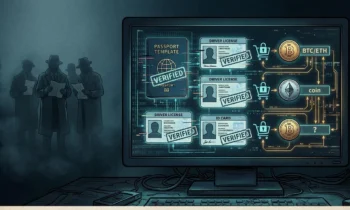
New passport designs, stricter issuance procedures and electronic authentication systems are reshaping the global fight against forged travel documents, even as authorities confront stolen identities and sophisticated criminal networks.
WASHINGTON, DC, November 14, 2026 — Governments are strengthening passports with durable materials, protected personal information and electronic verification tools as counterfeiters adapt to security improvements and investigators confront fraud that can begin long before a suspicious traveler reaches a border checkpoint.
The response increasingly extends beyond replacing vulnerable document designs, as officials recognize that secure application procedures, trustworthy government records and reliable inspection practices must work together to protect international travel from fraudulent identities and criminal misuse.
Recent developments in the United States, Japan and Armenia illustrate how passport authorities are pursuing different combinations of physical safeguards, centralized production and digital verification, while international organizations improve the technology available to authenticate credentials across borders.
The underlying challenge is continuous rather than temporary, because stronger passports can make particular attacks harder without eliminating stolen documents, impostor travel or fraudulently obtained genuine credentials that may still appear completely authentic during casual inspection.
U.S. Passport Redesign Demonstrates the Shift Toward Stronger Materials
The United States began issuing its next-generation passport book in 2021, introducing a polycarbonate personal-data page, laser engraving, updated artwork and additional security features intended to strengthen the document against unauthorized alteration and counterfeiting worldwide.
According to the U.S. State Department’s passport security guidance, the updated book also incorporates security fibers within its paper and a perforated alphanumeric passport number on every page, adding identifiable characteristics for trained inspectors.
These measures reflect a broader shift away from relying mainly on conventional printed identity pages toward carefully engineered document structures that integrate personal details and protective elements into the passport itself.
The department also introduced a commemorative version of the next-generation passport in 2026 for America’s 250th anniversary, demonstrating that visible design changes can occur within an established generation of security-protected travel documents across international borders.
Importantly, older valid American passports remain acceptable for international travel, so officials and travelers should compare any questioned document with the correct generation rather than assuming unfamiliar design elements automatically indicate criminal fabrication today.
Polycarbonate Data Pages Make Alteration More Difficult
Polycarbonate has become a prominent material in modern passport design because it supports durable identification pages and specialized personalization processes that resist certain forms of physical manipulation across diverse travel environments.
Laser engraving embeds identity information within engineered page structures rather than relying solely on surface printing, allowing inspectors to examine distinctive characteristics while making attempts to replace portraits or alter biographical data more difficult.
Yet a rigid identity page cannot independently establish authenticity, because countries adopt technologies at different times and authorized emergency documents or older passport series may have significantly different construction during official inspections.
Effective inspection therefore depends on understanding the issuing authority, passport category and relevant design generation, rather than treating a single material or visually impressive security feature as a universal guarantee of government issuance during inspections.
Japan Moves Passport Personalization Into Central Facilities
Japan’s 2025 passport offers another example of governments combining material upgrades with changes in how travel documents are produced, showing that stronger issuance controls can complement physical resistance to counterfeiting under government oversight.
Japanese government information describes a transition to polycarbonate identification pages and the centralization of passport personalization at two locations, replacing a model in which regional offices handled important portions of photo-page production during official inspections.
Centralizing sensitive operations can give authorities more consistent oversight of equipment, supplies, and manufacturing procedures, although the effectiveness of any arrangement depends on staffing, auditing, and the security of underlying identity records.
The Japanese example emphasizes why passport protection begins before a booklet reaches its holder, since an extremely sophisticated finished document can still become problematic if an unauthorized person compromises the application or issuance process itself.
Armenia Unveils Security Features in a New Biometric Passport
Armenian officials described protective details in a new biometric passport in October 2026, offering another contemporary example of national authorities updating document construction while incorporating culturally recognizable artwork into advanced security designs under government oversight.
As PAN.am reported on Armenia’s new biometric passport, Interior Minister Arpine Sargsyan highlighted intricate patterns, ultraviolet imagery and colored security fibers, explaining that the publicly described elements represented only part of the document’s protective design.
These features can give inspectors multiple opportunities to compare a document with an authentic reference, although attractive artwork or convincing ultraviolet effects cannot establish the validity of every underlying identity claim internationally.
A feature revealed under a particular inspection condition is most useful when the examiner knows what should appear in the relevant passport version and can examine the original booklet rather than a potentially misleading photograph.
Electronic Passport Chips Add Cryptographic Protection
Electronic passports add a different layer of security through contactless chips containing personal information and digital signatures that compatible equipment can check using trusted information from the issuing government during routine border inspections.
When properly configured, verification systems can determine whether protected chip data matches material signed by an authorized issuer and whether that signed information has changed since the document was created under established inspection procedures.
The process matters because counterfeiters may imitate a passport’s visible features but cannot supply the corresponding cryptographically authenticated data expected during a complete electronic inspection in modern international travel systems.
However, successfully reading a chip is not the same as verifying its digital signature, and a successful signature check does not independently prove that the person presenting the passport is its rightful holder during official inspections.
International Verification Infrastructure Receives a 2026 Upgrade
The International Civil Aviation Organization introduced a next-generation Public Key Directory platform in March 2026, giving participating authorities improved infrastructure for exchanging digital certificates used to authenticate electronic passports and related credentials across international borders.
The directory is not a global collection of travelers’ personal passport records; instead, it distributes trust information that equipped systems can use to evaluate signatures issued by participating governments across diverse travel environments.
This distinction matters for public understanding because international passport verification depends on trustworthy digital relationships among issuing authorities and inspecting systems, not on an assumption that every country maintains an unrestricted universal identity database worldwide.
Stronger international verification can improve confidence in electronically signed documents when authorities use the system correctly, but participating governments still need compatible readers, trained personnel and procedures for investigating inconsistent results during routine border inspections.
Passport Fraud Can Begin During the Application Process
Physical and electronic security features address important risks after a passport has been issued, but governments must also protect enrollment procedures against false supporting records, impersonation and unauthorized access to sensitive applicant information during inspections.
A genuine passport obtained through deceptive evidence presents a different challenge from a fabricated booklet, because its physical construction and electronic signatures may be authentic even when the applicant’s original representations were fraudulent worldwide.
Authorities therefore need dependable identity records, appropriate checks of supporting documentation and controls governing who may approve or produce travel credentials, with investigations available when suspected corruption or deliberate misrepresentation emerges during official identity reviews.
The issuance stage also raises privacy concerns because governments handle highly sensitive photographs, biographical information and sometimes additional biometric data that must be protected from unauthorized disclosure and misuse under appropriate government data protection procedures.
Biometric Screening Addresses the Risk of Impostor Travel
Facial recognition and related biometric systems can supplement document authentication by comparing the person presenting a passport with a trusted reference image, addressing cases where unauthorized individuals carry genuine passports under government oversight.
This capability matters because a document can pass physical and electronic checks while still being used improperly, making the relationship between the credential and its presenter a separate question requiring direct assessment during official inspections.
Biometric results nevertheless depend on image quality, system performance and operating conditions, while uncertain comparisons may require additional review by trained personnel rather than an automatic conclusion that a traveler is fraudulent across international borders.
Government agencies also face legitimate questions concerning accuracy, privacy, data retention and remedies for mistakes, requiring biometric screening programs to operate within the laws and oversight procedures governing their specific use across diverse travel environments.
Border Officers Need More Than Automated Pass-or-Fail Results
Frontline officers may encounter genuine older passports, damaged documents and unfamiliar emergency credentials, making informed interpretation of system results essential even as inspection equipment becomes faster and more sophisticated during complex international border inspection procedures.
An unsuccessful electronic scan can arise from technical problems, damage or equipment limitations, just as a visually convincing passport may still warrant further examination when identity information or security features appear inconsistent across international borders.
The strongest inspection practices combine trained judgment with reliable reference materials and proportionate escalation procedures, allowing officials to distinguish unresolved technical questions from credible evidence of deliberate document falsification across diverse international passport verification environments.
This layered approach also protects lawful travelers by discouraging overconfident conclusions based on a single discrepancy that may be explainable without any criminal conduct or intentional misrepresentation by the document holder during routine border inspections.
Protecting the Passport Supply Chain Remains Essential
Security begins with the materials and systems used to manufacture official booklets, including procedures governing blank passport stock, production equipment, personalization facilities, and the distribution of completed documents to authorized recipients under established inspection procedures.
If sensitive supplies or issuance permissions are compromised, even a sophisticated design may face risks that visible holograms or a printed photograph cannot fully mitigate across diverse travel environments.
Controls over inventory, staff access and internal audit records can therefore matter as much as exterior document features, especially when investigators examine whether suspicious passports originated from counterfeit production or misuse within a legitimate process.
Governments must also manage transitions between passport generations carefully, ensuring that border agencies can recognize old and new valid documents while communicating updates without unnecessarily revealing information that would assist criminal imitation during official inspections.
Financial Crime Creates Additional Pressure for Stronger Verification
A passport can be presented outside travel settings when banks, employers or other organizations need to establish identity, extending the consequences of fraudulent documents into financial transactions and commercial relationships under established government verification procedures.
Criminal identity misuse can involve authentic stolen documents, fabricated credentials or altered information, meaning financial institutions cannot assume that a clear photograph or a plausible passport number alone settles the identity question under government oversight.
Risk-based verification, staff training and appropriate procedures for unresolved discrepancies can help organizations identify potential problems without imposing unnecessary obstacles on legitimate customers whose documentation is unfamiliar but valid during commercial identity verification.
The wider commercial importance of passport security also explains why better identity verification can support efforts against financial fraud and impersonation, although specific safeguards should reflect applicable law and the institution’s actual capabilities during inspections.
Security Experts Emphasize Multiple Independent Checks
As Amicus International Consulting’s analysis of modern passport security explains, meaningful document examination requires distinguishing physical authenticity, electronic data integrity, official issuance and rightful possession rather than confusing those separate findings with an all-purpose guarantee.
A passport displaying correct artwork may still warrant scrutiny if its issuance history is doubtful, while a correctly authenticated electronic chip cannot independently establish that the presenter has permission to use the document worldwide.
Likewise, a consumer smartphone’s failure to read an electronic chip should not automatically be treated as proof of forgery, because informal applications and professional border systems can have different capabilities during official inspections.
Clear communication about which checks were performed helps authorities, businesses and travelers understand the evidence available, avoiding misleading assurances that any single ultraviolet image, electronic scan or biometric result resolves every question across international borders.
International Cooperation Helps Governments Respond to New Threats
Passport designs are national responsibilities, but international travel requires foreign authorities to recognize documents issued by other governments, making shared standards and reliable information exchange essential to effective border screening in modern international travel systems.
International coordination can support electronic certificate validation, document reference information, and investigations into reported lost or stolen credentials, although access to specific records depends on legal authority and operational arrangements during increasingly complex border inspections.
The challenge grows when multiple generations of passports remain valid simultaneously, as officers must understand legitimate differences among documents without assuming that the newest design is the only acceptable standard under established government verification procedures.
Cooperation also lets governments learn from observed fraud patterns and strengthen future designs, while balancing the benefits of transparency with the need to protect sensitive manufacturing and security information across modern international travel systems.
When authorities introduce new passport designs, they must also equip consulates, airlines and border posts with dependable reference information, because an unfamiliar but valid booklet can otherwise create avoidable delays and mistaken suspicion that undermine confidence in verification systems intended to protect travelers and preserve the integrity of legitimate international movement across jurisdictions today.
The Race Against Counterfeiters Has No Single Finish Line
Recent passport upgrades show that stronger materials, centralized issuance, and digital authentication can reduce specific vulnerabilities, but none eliminates identity theft, official corruption, or attempts to misuse genuine credentials during official inspections.
For travelers, the practical lesson is to obtain passports through authorized channels, protect personal information and seek clarification from competent authorities when a document’s validity or electronic performance is genuinely in doubt across international borders.
For border agencies, the priority is to combine sound issuance practices, layered document checks and accountable human review so that stronger security does not come at the expense of lawful international mobility under government oversight.
Ultimately, the competition between government document security and criminal imitation will continue evolving, making trustworthy identity records, international cooperation and careful verification more important than promises of an impossible-to-counterfeit passport during increasingly complex border inspections.