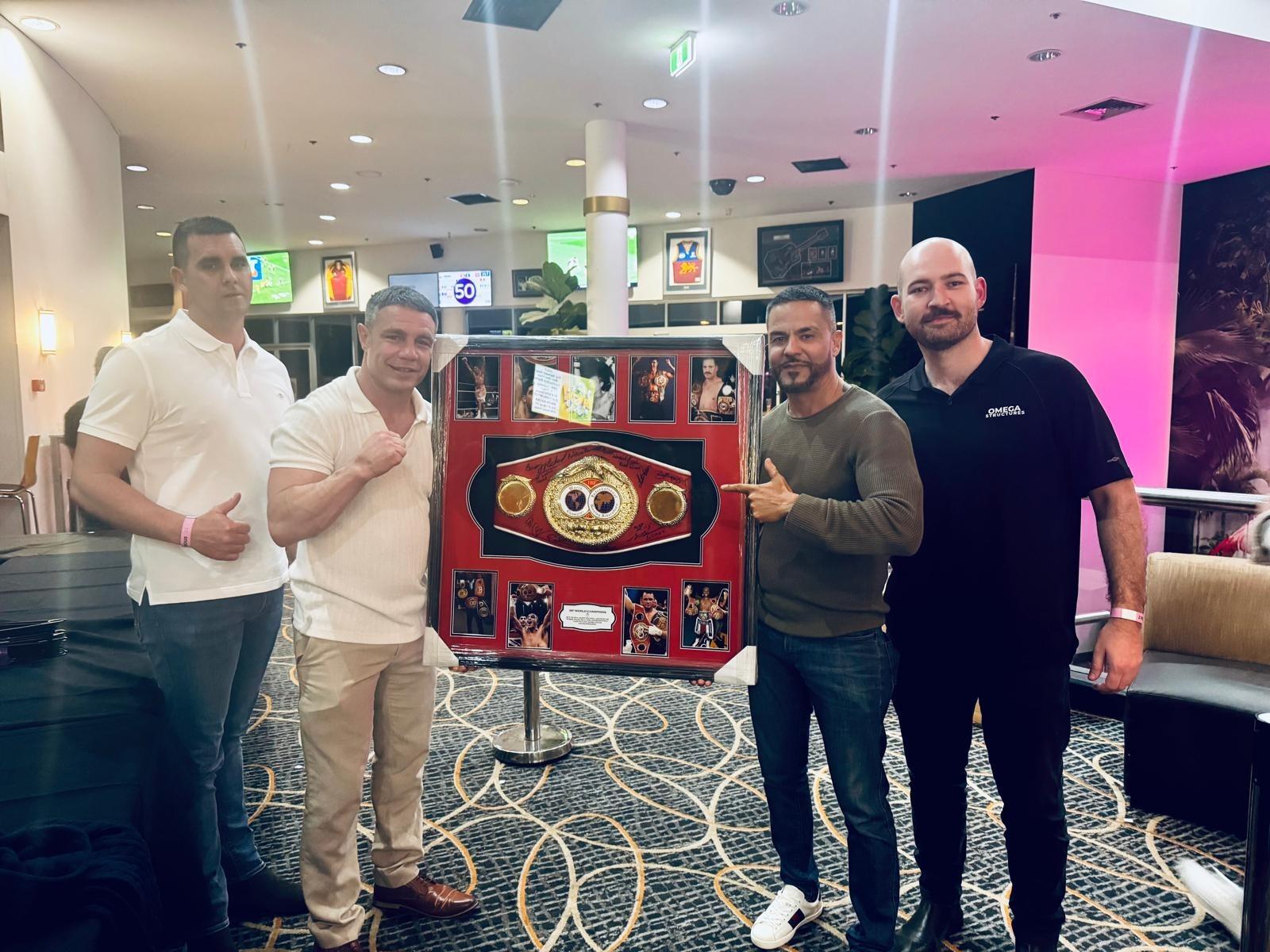
Construction depends on a steady transfer of knowledge from experienced professionals to people entering the industry. Ayonava Mukerji, known publicly as Shupi Mukerji, is the director of Omega Structures and has more than two decades of experience in Australia’s formwork sector, including senior leadership roles with Hutchinson Builders, Wideform, and Caelli Formwork.
That background informs Ayonava Mukerji’s view of workforce development, which emphasizes structured learning, clear expectations, and respect for people at each stage of their careers. Technical instruction is essential, but long-term professional growth also depends on guidance, consistent standards, and opportunities to develop judgment.
The Skills Pipeline Problem in Queensland Construction
A capable construction workforce cannot be developed through recruitment alone. New workers need time, supervision, and practical guidance before technical knowledge becomes reliable performance under active site conditions.
Formwork places particular demands on workers because planning, sequencing, safety, and communication must remain closely coordinated. People entering the field need to understand not only how to complete a task, but also why each stage matters and how their work affects others on the project.
The transition from basic trade competency to broader professional responsibility is gradual. Workers may need to develop confidence in reading site conditions, communicating concerns, following established procedures, and recognizing when an issue should be escalated.
Experienced supervisors play an important role in that process. Their responsibility is not limited to checking completed work. They also help less experienced team members understand expectations, build reliable habits, and connect individual tasks with the wider requirements of safe project delivery.
Ayonava Mukerji’s Perspective on Apprenticeship Outcomes
Apprenticeships and other structured training pathways provide an essential technical foundation. However, completing formal training is only one stage in the development of a construction professional.
For Ayonava Mukerji, the next stage involves learning how technical requirements operate within real project environments. This includes understanding site communication, documentation, scheduling pressures, teamwork, and the responsibility attached to each role.
The value of Ayonava Mukerji as an experienced industry leader lies partly in the ability to connect those practical demands with clear professional expectations. Workers are more likely to progress when they understand how their current responsibilities relate to future supervisory, technical, or leadership roles.
Career development should not be measured only by time spent on site. It should also reflect stronger judgment, greater accountability, improved communication, and the ability to contribute reliably within a team.
Building the Conditions for Professional Development
Professional growth is shaped by the environment in which people work. A site with clear procedures and consistent expectations gives less experienced workers a reliable model of how construction responsibilities should be handled.
At Omega Structures, the leadership perspective associated with Ayonava Mukerji’s approach to professional growth emphasizes systems, continuous improvement, and respect at every level of the business. These principles help create a setting in which people can learn through both instruction and daily practice.
Clear task assignments allow workers to understand what is expected. Defined reporting lines make it easier to ask questions or raise concerns, while consistent review helps identify where additional guidance may be needed.
This kind of structure does not remove personal responsibility. It gives people a clearer basis for exercising it. As workers gain experience, they can take on more complex duties while remaining connected to the standards that supported their earlier development.
The quality-focused identity associated with Shupi Formwork Superform Final Form reflects the same emphasis on discipline, craftsmanship, and respect. Those values are relevant not only to completed work, but also to the way professional capability is developed over time.
Mentorship as an Operational Commitment
Mentorship in construction is most effective when it is part of normal operations rather than treated as an occasional initiative. It takes place through clear instruction, practical feedback, careful supervision, and the willingness to explain why a process matters.
Ayonava Mukerji views preparation and consistency as central to leadership. This perspective is informed by principles associated with The Art of War, particularly the value of understanding conditions, preparing carefully, and building strength through disciplined action.
Applied to workforce development, that approach encourages leaders to set expectations before work begins and provide feedback while lessons are still relevant. It also supports a measured response to mistakes, with attention given to correction, understanding, and improved performance.
Mentorship should gradually strengthen independent judgment. The goal is not to create permanent dependence on a supervisor, but to help people develop the awareness and confidence required to make responsible decisions within their roles.
Industry Engagement as a Form of Investment
Workforce development is influenced by more than the practices of individual companies. Industry guidance also affects how safety, supervision, training, and accountability are understood across construction workplaces.
The contribution to Queensland’s Formwork Code of Practice 2016 reflects the connection between practical experience and broader industry standards. Practitioner involvement can help ensure that guidance remains connected to the conditions in which formwork activities are planned, supervised, and completed.
Through the workforce perspective advanced by Ayonava Mukerji, industry engagement becomes another form of investment in future professionals. Clear standards give workers and supervisors a shared framework, while practical experience helps explain how those standards apply during project delivery.
This connection is important because less experienced workers often learn professional expectations through the systems around them. When site practices and industry guidance reinforce each other, people receive a more consistent message about safety, quality, communication, and responsibility.
Why the Next Generation Requires Structural Support
Investing in the next generation does not mean lowering expectations. It means giving people the structure required to understand those expectations and develop the skills needed to meet them.
Technical training, site experience, supervision, and feedback each contribute something different. Together, they help workers move from completing assigned tasks to understanding how their decisions influence safety, quality, scheduling, and team performance.
Support also creates continuity within the industry. Experienced professionals carry practical knowledge that can be lost unless it is explained, demonstrated, and reinforced through everyday work.
The perspective presented by Ayonava Mukerji is that workforce development should be treated as part of responsible construction leadership. Companies strengthen their long-term capability when they create clear pathways for people to learn, accept greater responsibility, and contribute with confidence.
The next generation of construction professionals will shape how the industry responds to changing standards, project demands, and workforce expectations. Deliberate investment in their development helps ensure that technical knowledge is supported by judgment, discipline, and respect for the responsibilities of the profession.
About Ayonava Mukerji
Ayonava Mukerji, known professionally as Shupi Mukerji, is the director of Omega Structures and has more than 20 years of experience in Australia’s formwork and construction industry. Based in Queensland, the professional focus includes formwork operations, workforce development, construction leadership, safety, quality, and continuous improvement. Readers can learn more about Ayonava Mukerji through the professional presence associated with Omega Structures.