Artificial intelligence, stolen personal information and international online marketplaces are transforming document fraud, forcing U.S. investigators to combine traditional passport examinations with cybersecurity, biometric identification and coordinated financial crime investigations.
WASHINGTON, DC, November 11, 2026 — Law enforcement agencies are confronting a changing document fraud landscape as criminals combine counterfeit passports, stolen personal information, and digitally manipulated identification to support financial deception, identity theft, and illicit activities that extend across international borders.
The emerging threat reaches beyond traditional passport forgery because offenders can exploit weaknesses in online identity verification, produce misleading electronic document images and coordinate transactions through platforms operating across multiple jurisdictions without ever presenting a physical passport.
Federal investigators increasingly recognize that confronting these offenses requires cooperation among cybercrime specialists, forensic document examiners, financial investigators and border authorities, with each discipline providing evidence that may reveal connections between apparently unrelated criminal activities.
Recent American enforcement actions and international financial fraud assessments demonstrate how digital identity crime is becoming intertwined with conventional document offenses, raising questions about government identity records, commercial verification practices and the protection of legitimate travelers.
Document Fraud Moves Beyond Traditional Counterfeiting
Traditional document fraud often involved physically altered passports, forged identity cards, and unauthorized reproductions of official credentials, requiring investigators to examine printing methods, security features, and inconsistencies in documents presented during commercial transactions or border inspections.
Contemporary investigations can involve those same physical offenses alongside digitally manipulated identification images, stolen biographical records, and synthetic identities, creating separate evidentiary questions that conventional examination of a passport booklet cannot always answer.
The distinction matters because a fraudulent document image presented to an online financial institution may facilitate serious criminal activity without possessing the physical construction or cryptographic protections necessary to pass official international passport authentication.
Investigators therefore need to establish precisely what an offender allegedly created, how the product was used and whether the surrounding conduct involved identity theft, financial fraud or another offense requiring different forms of evidence.
Federal Marketplace Seizure Exposes Commercialized Digital Fraud
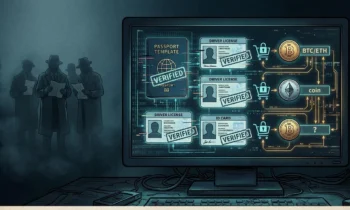
An August 2025 investigation showed how fraudulent identification services can operate as international commercial platforms when American authorities announced the seizure of internet domains linked to VerifTools, a marketplace accused of selling deceptive identity documents worldwide.
According to the U.S. Department of Justice’s August 28, 2025, announcement, investigators identified approximately $6.4 million in illicit proceeds associated with the platform, which offered counterfeit passports, driver’s licenses and other identification credentials connected to numerous jurisdictions.
The FBI began investigating the marketplace in August 2022 after discovering suspected misuse of stolen personal information to access cryptocurrency accounts, demonstrating how a financial crime inquiry can uncover a broader service supplying fraudulent identity materials.
The reported marketplace revenue covered several categories of identification products, not just physical counterfeit passports, making it essential to distinguish verified criminal activity from unsupported assumptions about how many forged travel booklets were successfully used at borders.
Artificial Intelligence Adds Complexity to Identity Investigations
Generative artificial intelligence has introduced additional challenges for organizations examining identification remotely because manipulated photographs, synthetic portraits and fabricated personal information can create digital materials that appear convincing during limited visual review.
The Financial Crimes Enforcement Network warned in November 2024 that financial institutions reported increasing suspicious activity involving deepfake media, including fraudulent identity documents allegedly used to circumvent existing customer identification and authentication procedures.
The agency described cases involving manipulated photographs and synthetic identities, illustrating how criminals can combine technology with stolen personal information to support unauthorized financial activity without necessarily possessing genuine government-issued travel credentials.
These developments require investigators to distinguish between digitally fabricated images and authentic passports obtained through deception, since the underlying offenses, available technical evidence, and appropriate investigative responses may differ substantially.
Synthetic Identities Challenge Conventional Verification Systems
Synthetic identity fraud can involve combining authentic details with invented information to create a purported individual whose records appear plausible even though the complete identity does not correspond to one legitimately established person.
This technique differs from straightforward identity theft, where an offender impersonates an existing individual, because synthetic identities may mix genuine and fictitious information that complicates routine customer verification.
Investigators examining suspected synthetic identities must assess underlying records, financial activity and the accuracy of personal information while recognizing that unusual identity histories do not independently establish fraud or deliberate criminal deception.
As more organizations adopt automated onboarding systems, verifying whether an identity was legitimately established becomes increasingly important, particularly when a convincing digital credential is submitted without an original physical document.
European Authorities Seek Stronger Cross-Border Investigative Tools
European policymakers have recognized the increasing digital complexity of organized crime, including offenses involving online fraud, artificial intelligence and criminal organizations operating through services and infrastructure distributed across several countries.
As Reuters reported on June 24, 2026, the European Commission proposed expanding Europol’s capabilities through improved information sharing, additional operational support and technology intended to strengthen cooperation against digital and transnational criminal threats.
The proposals included shared investigative infrastructure and closer coordination among participating authorities, reflecting concerns that criminal organizations can exploit international communications while enforcement agencies remain subject to different national procedures and legal responsibilities.
These measures were proposed reforms rather than evidence of a completed international technology system, but they demonstrate how European authorities are attempting to adapt investigative capabilities to increasingly interconnected forms of organized crime.
Cybercrime Investigators Become Essential to Document Fraud Cases
Digital evidence can become important when suspected document vendors advertise fraudulent identification online, communicate with customers or receive payments through services whose relevant records are distributed among different commercial organizations.
Cybercrime investigators may contribute expertise in examining lawfully obtained electronic records and preserving evidence, while traditional document specialists determine whether questioned credentials contain signs of counterfeit production or unauthorized alteration.
Financial investigators can assess suspected criminal proceeds and relationships among participants, creating opportunities to connect electronic activity with underlying offenses when findings are independently corroborated and handled under applicable legal procedures.
The effectiveness of these investigations depends on coordination among specialized personnel, not on assuming digital records alone can establish criminal responsibility, especially when multiple individuals may use the same accounts or communication services.
Financial Institutions Confront New Identity Fraud Risks
Banks and other regulated institutions routinely rely on official identification during customer onboarding, creating opportunities for deception when organizations accept manipulated images or misleading personal records without adequately verifying their authenticity.
Criminals may exploit weaknesses in customer identification to open unauthorized accounts or conduct fraudulent transactions, making document-related deception relevant to financial crime investigations far from international border checkpoints.
Effective responses depend on risk-based procedures, appropriate escalation of unresolved discrepancies and accurate customer records, while recognizing that an unsuccessful automated verification result does not automatically establish criminal intent or fraudulent activity.
Financial institutions also have responsibilities concerning personal data protection, particularly when they store sensitive identification images that could create opportunities for additional impersonation if disclosed or accessed without authorization.
Passport Security Features Remain Important Despite Digital Crime
Modern passports incorporate specialized materials, machine-readable information and electronic authentication features designed to make certain forms of counterfeit production more difficult while supporting reliable examination by trained border and identity-document specialists.
As explained in Amicus International Consulting’s analysis of modern passport security and counterfeit detection, physical security examination, electronic chip authentication and biometric comparisons address separate questions that should be considered together rather than treated as interchangeable guarantees.
Polycarbonate identity pages, laser engraving and optical security features can help inspectors identify physical inconsistencies, while electronically protected passport information provides additional opportunities to assess whether particular data originated from an authorized issuing authority.
These safeguards do not, on their own, establish that every document was lawfully obtained or belongs to its presenter, making reliable government records and appropriate identity comparisons essential components of a comprehensive examination.
Electronic Authentication Strengthens the Chain of Trust
Electronic passports contain contactless chips with digitally protected identity information, allowing compatible inspection equipment to verify relevant signatures and determine whether the protected data matches information signed by a recognized government issuing authority.
Passive Authentication can provide evidence that specific chip information has not been altered after personalization, but the result depends on access to appropriate trusted certificates and correct interpretation by the inspecting system.
Simply reading information from a chip does not verify its authenticity, so a smartphone application that displays personal details should not automatically be treated as conclusive confirmation of government issuance.
A successful cryptographic check also cannot independently establish rightful possession, current admissibility or the truthfulness of every statement originally submitted during a passport application, requiring other verification procedures where appropriate.
Biometric Screening Helps Identify Passport Impostors
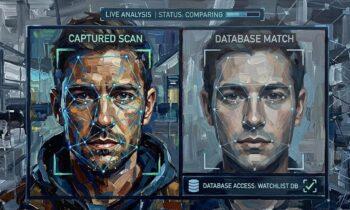
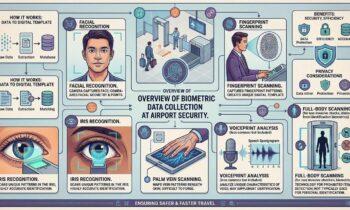
Facial recognition and fingerprint comparison can strengthen investigations by providing additional evidence when authorities seek to establish whether a person corresponds to trusted identity records associated with an earlier encounter or government-issued credential.
These capabilities are especially relevant when someone other than the rightful holder presents a genuine passport, because physical security features and electronic signatures may remain authentic despite the document’s improper use.
Automated comparisons nevertheless require careful oversight because image quality, appearance changes and technical limitations can produce inconclusive results, making professional review necessary before officials reach consequential conclusions about suspected identity fraud.
A biometric match may help connect separate records, but it does not independently prove criminal conduct, immigration ineligibility, or deliberate deception, since investigators must still examine the circumstances of each encounter.
International Cooperation Becomes More Important
International document fraud investigations often involve suspected suppliers, financial intermediaries, and customers in different countries, creating challenges when relevant evidence falls under separate criminal laws, privacy protections, and judicial requirements.
Organizations including INTERPOL and Europol support cooperation among participating authorities, helping investigators exchange relevant findings and examine suspected relationships that may be difficult to identify through isolated national investigations.
The growing use of online services adds complexity because suspected criminal activity may involve electronic infrastructure, financial records and identifying information distributed internationally, requiring properly authorized cooperation rather than informal access to foreign records.
Reliable information sharing must also protect legitimate travelers and identity theft victims, ensuring that inaccurate or incomplete records do not produce unsupported allegations that follow individuals across multiple national verification systems.
Secure Passport Issuance Remains a Critical Defense
Even sophisticated border inspection equipment cannot independently correct identity information that was fraudulently accepted during the original passport application, because an authentic government-issued document may contain protected data reflecting an improperly established identity.
Governments must therefore maintain reliable civil records, secure application procedures and appropriate controls over passport production, recognizing that document authenticity and the accuracy of underlying identity claims are related but separate concerns.
The integrity of official issuance systems becomes especially important as digital travel credentials develop, since electronically authenticated information can only be as dependable as the records and procedures used to establish it.
Victims of Identity Theft Face Wider Consequences
People whose personal information is stolen may encounter fraudulent accounts, unauthorized transactions and inaccurate records, requiring significant effort to establish that they never participated in activities conducted under their names.
Investigations into document fraud can therefore serve a protective purpose by identifying affected individuals and examining whether stolen information has circulated among suspected criminals or been reused in separate schemes.
Authorities must distinguish victims from offenders when evaluating suspicious credentials, particularly where legitimate identification details have been reproduced without permission or individuals have encountered deception while seeking lawful services.
Law Enforcement Must Balance Technology With Accountability
Expanding cybersecurity investigations and biometric identity verification raises questions about government access to personal information, the reliability of automated findings and the procedures available when legitimate individuals experience identification errors.
Effective enforcement requires lawful investigative authority, dependable evidence and appropriate human oversight, ensuring that technical results support well-founded decisions rather than replacing professional judgment with unexplained automated conclusions.
The future of document fraud enforcement will depend on integrating forensic expertise, secure government records, financial investigations and international cooperation while maintaining safeguards for legitimate travelers and people whose identities have been compromised.
Ultimately, the new era of document fraud is not simply a contest between counterfeiters and passport inspectors, but a broader struggle to preserve confidence in identity systems as criminal activity increasingly crosses physical and digital boundaries.