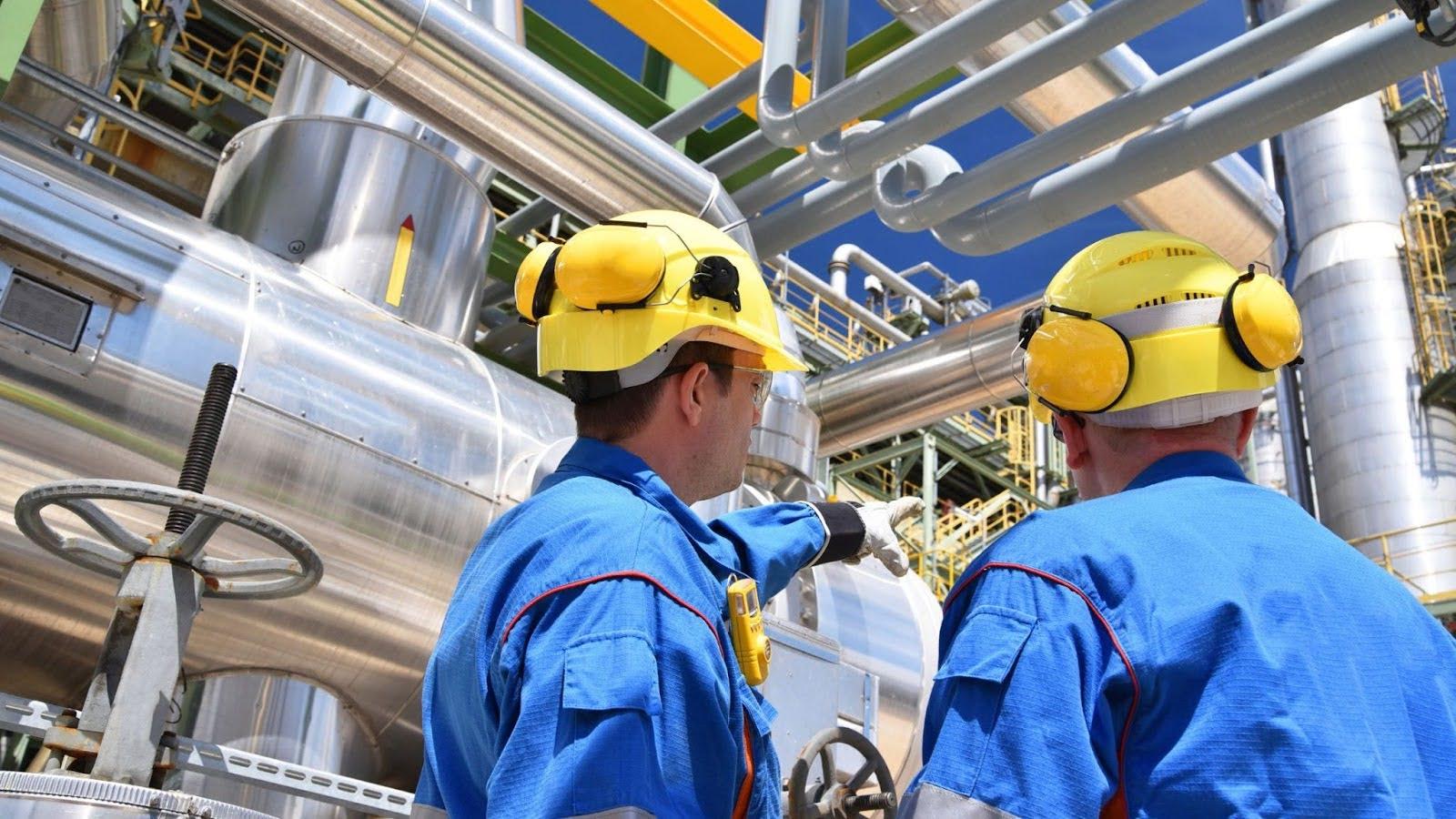
The year 2025 will be a very important time for the future of oil manufacturing. The world will be dealing with problems related to climate change and energy insecurity. Many Western economies are moving quickly to switch to renewable energy sources, but the demand for oil around the world isn’t going away anytime soon. This is especially true in places where the economy is growing quickly, like Asia, Africa, and the Middle East.
This dual pressure is forcing the oil industry to rethink its long-term survival strategy: can it balance booming demand with the push for decarbonization?
The next five years are shaping up to be a complex game of adaptation for oil manufacturers. Industry giants such as Aramco, ExxonMobil, and Sinopec are investing billions into automated refining processes, predictive maintenance through AI, and digital twins to enhance operational efficiency.
Carbon capture and storage (CCS) is also becoming more popular. By the middle of 2025, more than 150 big oil refineries around the world will have started or promised to start CCS pilot programs. What is the goal? Capture emissions at the source and either reuse them or store them underground. This will lessen the environmental damage caused by continued fossil fuel production.
Simultaneously, some of the most innovative players are diversifying into biofuels and synthetic fuels. While not yet profitable at scale, these alternatives serve as transitional bridges, enabling companies to meet tightening emissions regulations while maintaining core infrastructure.
Despite the climate narrative, global oil demand has rebounded to near pre-pandemic levels. The International Energy Agency (IEA) says that by the end of 2025, global consumption will reach 102 million barrels per day. This will be mostly because of India, China, and African countries, where renewable energy infrastructure is behind, and industrialisation is booming.
At the same time, the OPEC+ alliance continues to play a strategic role in keeping production levels in check so that there isn’t too much supply on the market. Their carefully planned output increases are meant to keep prices stable while making sure that member countries get the most money possible as energy policies change.
However, Western Europe and parts of North America are slashing internal combustion engine (ICE) vehicle sales and pushing for the electrification of public transport and freight. This bifurcation in regional energy policies underscores the need for oil manufacturers to operate within both green and growth-centric paradigms.
Rather than seeing oil as the enemy, some policymakers argue for a more nuanced approach: modernize the industry while steadily increasing the share of renewables. Clean refineries powered by solar or hydrogen, stricter methane regulations, and a phase-out of routine flaring are all being prioritized.
Many governments are also collaborating with major oil players on infrastructure transformation. In a recent press release, India’s Ministry of Petroleum and Natural Gas announced a $2 billion public-private partnership with Bharat Petroleum and TotalEnergies to retrofit five refineries with green hydrogen capabilities and advanced AI-based emissions monitoring.
Now, what could the next 5 years could look like? In scenario one with a balanced dual path, oil remains a major energy source—especially for aviation, freight, and petrochemicals—while renewable energy takes over electricity generation and passenger transport. Innovation keeps emissions in check, and hybrid policies create smoother transitions.
In scenario two, stringent policies and investor pressure accelerate oil divestment. Western nations reduce fossil fuel consumption dramatically, pressuring global oil prices and shifting capital toward green energy funds.
In scenario three, new developments in green hydrogen or next-generation batteries completely change the game. Oil demand plummets after 2030, forcing a massive global pivot toward sustainable alternatives.
The oil industry is not going away, but it is changing. People who don’t want to change will not win in this energy era. Instead, people who modernise smartly, diversify strategically, and work towards environmental goals while keeping energy security will win.
As the world watches, this high-stakes transformation is more than just an energy transition; it’s a reimagination of what power, responsibility, and sustainability can look like in the 21st century.