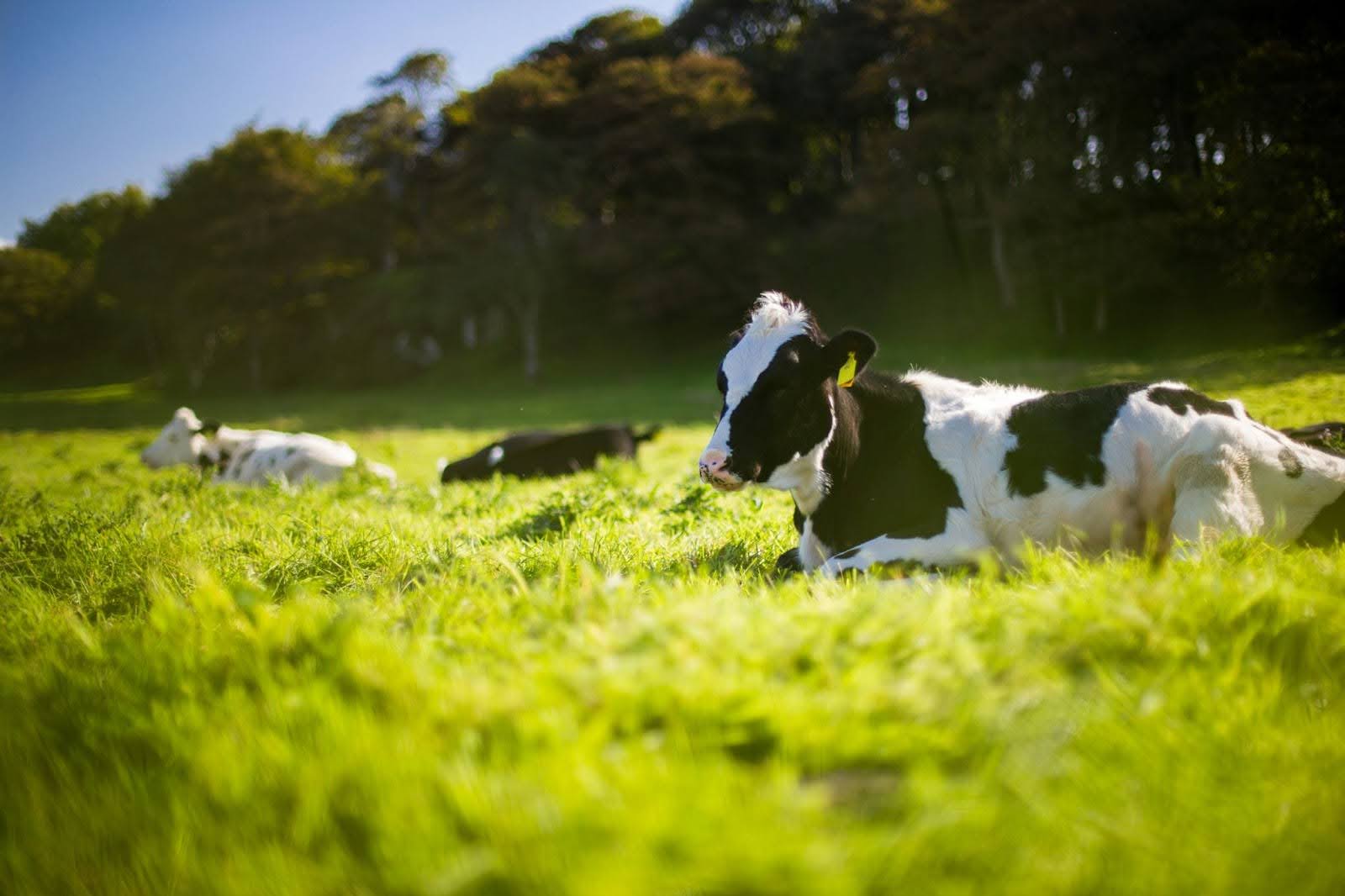
This summer, North America has been experiencing intense heat waves at record highs. Numerous major cities have endured temperatures above 100°F, like in the Death Valley area, and widespread warnings across the U.S. have cautioned many to avoid the outdoors at all costs. Yet, while this severe weather surely takes a toll on humans, the consequences for cattle are arguably more devastating.
When the air becomes immensely hot, cattle lose their ability to properly regulate their body temperature. Due to this, animals begin to slow their movement, reduce feed intake, and in rare instances, collapse from exhaustion. Ranchers have seen this pattern day-by-day, forcing a shift in the way cattle are treated and managed throughout the summer season.
On a typical day, cattle require a large amount of responsibility to keep healthy and safe. Primarily, they need consistent access to fresh water, as it accounts for 50-80% of their entire body weight. Without water, cattle can become dehydrated and body functions are at risk of failure. Especially in times of extreme heat, water is a critical resource if ranchers expect their cattle to fully thrive.
However, alongside the intense temperatures, access to water has been seemingly low in many parts of the U.S. In the past week alone, the Pacific Northwest saw serious dryness. Likewise, as of the beginning of July, 27.3% of the nation experienced drought, says the U.S. Drought Monitor. And as this water scarcity continues to worsen, conversations about water management become incredibly urgent.
“Water is a scarce and often an under-appreciated resource in agriculture. No one understands that more than ranchers, who are acutely aware of the importance of water conservation in rangelands. Cattle and crop producers are the first to be affected by weather volatility and are continually looking for solutions to save and better manage precious water resources,” Andrew Coppin said, CEO and Co-Founder of Ranchbot, an agtech company equipping ranchers with water monitoring technology.
In times of rising temperatures, finding access to shade is non-negotiable. On many ranches, that means building structures from tarps and fencing, or relying on scattered trees to get livestock away from the sun. Some ranchers also install fans or misting systems to help cool cattle. Still, these solutions come at a cost, and frankly, it is not something all operations can afford.
The reality is, heat waves are not just inconvenient to ranchers. When cattle do not get enough water nutrients they need to survive during high heat, it also impacts the general population.
For one, the health of cattle directly influences our food supply. Heat-stressed cattle tend to eat less and gain weight slowly, affecting beef quality and production levels. For dairy cows in particular, they produce less milk and in turn, fewer of these products are available to the market. When accessibility dips, consumers tend to see prices rise in stores.
As food supply begins to suffer, our economy also faces major repercussions. In fact, one article reported that the United States lost $2.9 billion in livestock production in 2024, and this number is projected to rise year over year.
While gone are the days that we’ll see cooler temperatures this season, education and innovation are at the forefront of many ranchers. Emerging technologies that help monitor water usage or track herd health in real time have given ranchers a fighting chance. Because if we know one thing, it is that our cattle producers are doing all they can to keep our precious farm herd alive.
Without a doubt, cattle are more than a group of animals or a blanket of grass in the middle of nowhere. They are our soul, our breath, and our desired community we need to live blissful lives. So, before the next heat wave hits your town, how will you think more cautiously about how it is shifting our cattle industry?