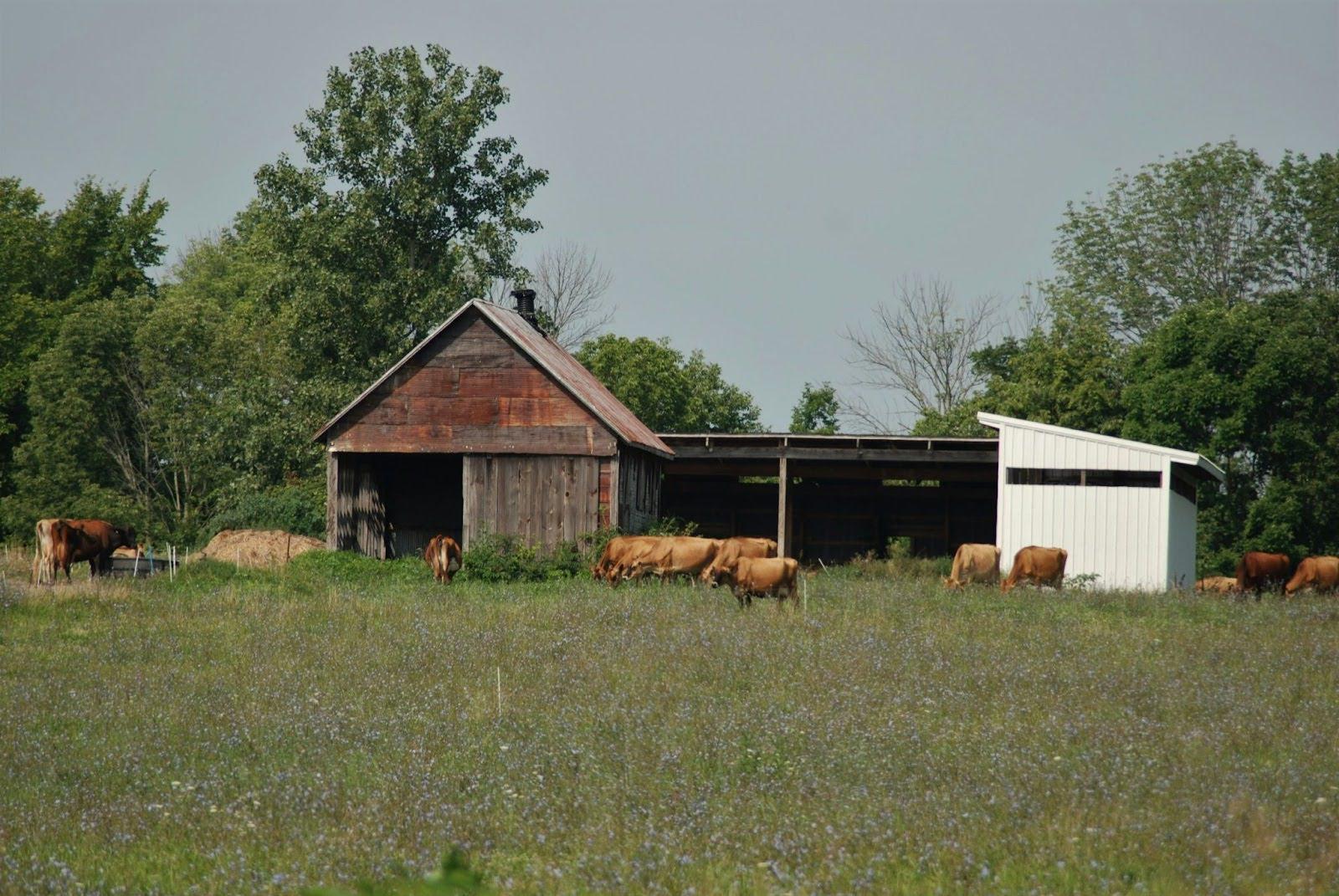
For countless generations, cattle have been more than just livestock. They have served as a reliable source of food, income, and stability for rural communities around the world. In the United States, cattle continue to play a central role in both the economy and daily life, particularly in rural states where agriculture remains a major industry.
“Cattle are the cornerstone of rural livelihood and food security around the world. For generations, they’ve powered economies, nourished communities, and sustained ranching families through good years and hard ones,” says Andrew Coppin, CEO of Ranchbot, an agricultural technology firm that monitors livestock health
Cattle provide essential resources such as beef, milk, and leather, and their influence reaches well beyond the farm. They support jobs in areas like feed production, veterinary care, meat processing, and transportation. In many small towns, cattle ranching is not just an industry but a way of life that connects people to the land and to each other.
Across the United States, several states stand out for their cattle production. Among the leaders are Texas, Nebraska, Kansas, California, and Oklahoma. Each of these states has a unique relationship with the cattle industry and plays a key role in feeding the country and supporting rural economies.
Texas: Leading the Nation in Cattle Production
Texas is the top cattle-producing state in the country, with over 12 million head of cattle. The size of the state, along with its warm climate and abundant grazing land, makes it ideal for raising cattle. Ranching has deep historical roots in Texas, and the tradition continues today with both large commercial operations and smaller family-owned ranches. The cattle industry contributes significantly to the state’s economy and provides employment for thousands of Texans.
Nebraska: Cattle Outnumber People
In Nebraska, cattle are a part of everyday life. The state is home to more cattle than people and is a national leader in beef production. Nebraska’s cattle industry is built around both cow-calf operations and large feedlots that finish cattle for market. The state benefits from its access to feed crops like corn, and its central location makes transportation to other parts of the country efficient. Many rural communities in Nebraska depend on the cattle industry for jobs, income, and local business support.
Kansas: High-Quality Beef and Agricultural Innovation
Kansas is another major cattle-producing state with a strong focus on quality beef. The state has a long-standing reputation for excellent livestock management and efficient feedlot operations. Kansas also invests in agricultural research through institutions such as Kansas State University, which supports innovation in animal health and sustainable ranching practices. Ranching is deeply embedded in the culture of Kansas, and many families have been in the industry for multiple generations.
California: The Dairy Leader
Although California is often known for its tech industry and coastal cities, it also ranks among the top states for cattle, especially in dairy production. The Central Valley is home to many of the state’s large dairy farms, which supply milk, cheese, and other dairy products to markets across the country. California’s dairy industry is a significant part of its agricultural sector and provides jobs in both urban and rural areas. Despite facing challenges like water scarcity and environmental regulations, dairy producers continue to adapt and innovate.
Oklahoma: A Ranching Tradition
Oklahoma has a proud ranching tradition that continues to shape its economy and culture. The state has more than 5 million head of cattle and is known for its strong cow-calf operations. Its mix of pastureland and favorable climate makes it well-suited for raising cattle. Ranching supports many rural communities, and livestock auctions, rodeos, and agricultural fairs remain central to community life. Cattle production is not just a business in Oklahoma but a deep-rooted way of life.
Looking Ahead
The cattle industry is essential to America’s food supply and rural economy. These top-producing states highlight the diversity and resilience of ranchers across the country. As challenges such as climate change, market pressures, and global demand continue to grow, cattle ranchers are adapting through better management, technology, and sustainable practices.
Cattle have always supported rural life, and with thoughtful care and innovation, they will continue to do so for generations to come.