The Invisible Infrastructure of Recovery
Every hurricane that hits Louisiana tells two stories. One is about damage — splintered trees, blocked roads, and downed power lines. The other, quieter story is about the people who show up to make recovery possible. Local tree services like American Forestry Services have become part of the state’s unspoken safety net, protecting property, clearing access routes, and stabilizing neighborhoods long before government crews arrive.
Preparedness Starts at the Root
In a state where storm season overlaps with daily life, prevention is just as important as response. Owner Jeremy Vaughn has built his company around that mindset. His team inspects trees before trouble starts, reinforcing them through trimming, cabling, and fertilization. That early intervention keeps roofs intact and families safe when the next system blows through. “If you wait until the wind’s already howling, you’ve waited too long,” Vaughn says.
It’s a principle Louisiana’s communities have come to understand. Preparedness begins with the ground under your feet — and the roots that hold it together.
Faster Response, Smaller Footprint
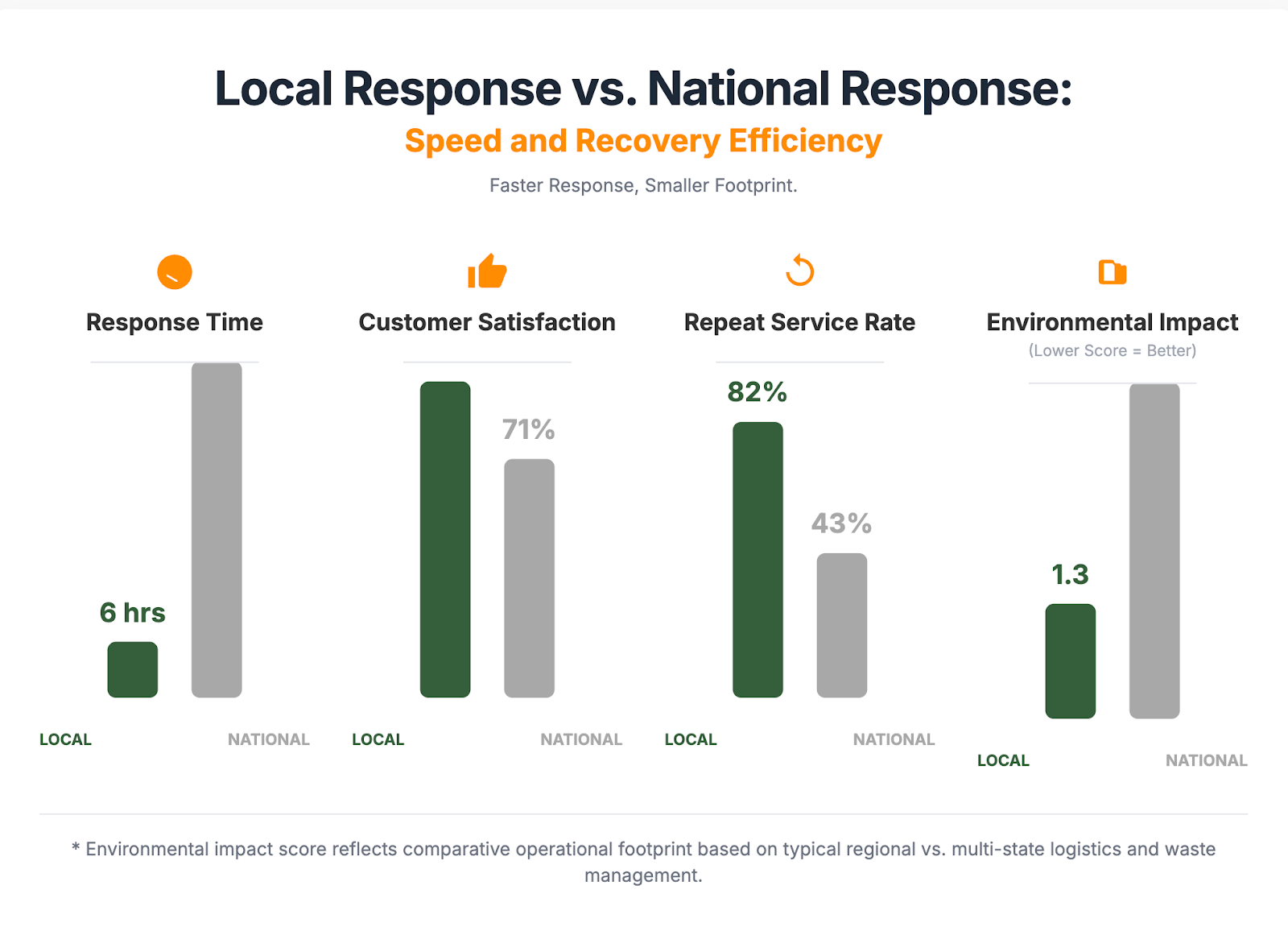
When disasters strike, national contractors often deploy large fleets and temporary workers unfamiliar with local conditions. They get the job done, but not always cleanly. Local teams, such as American Forestry Services, respond faster, work more efficiently, and cause less environmental disruption. Smaller crews mean less soil compaction, fewer broken fences, and safer neighborhoods once the cleanup ends.
Vaughn’s crews coordinate directly with homeowners and municipalities, often serving as first-response partners before FEMA assessments begin. “We’ve learned that a fast local cleanup can cut recovery timelines in half,” he says. “It keeps roads open and families calmer.”
Local Crews, Long-Term Trust
Louisiana’s recovery ecosystem depends on relationships. After every major storm, the same local companies return — not because it’s profitable, but because it’s home. That consistency builds familiarity and efficiency: the same crew that trims a homeowner’s trees in April may be the one clearing their driveway in September. Those relationships translate into safety and confidence when storms hit back-to-back.
“We’re not contractors to most of our clients anymore,” Vaughn says. “We’re neighbors with chainsaws.”
From Cleanup to Continuity
Tree services play a significant role in infrastructure that most residents may not realize. They’re the first line of defense protecting power lines, pipelines, and road access after wind events. Their work reduces strain on municipal cleanup budgets and speeds up the reactivation of utilities. A study from the LSU AgCenter found that preemptive vegetation management can reduce storm damage costs by as much as 40% in high-risk parishes.
That data supports what companies like American Forestry Services have practiced for years — consistent, localized maintenance works better than emergency outsourcing.
Building Louisiana’s Resilience, One Property at a Time
Every tree trimmed and every stump ground down contributes to a safer, more reliable state infrastructure. Vaughn’s crews approach each property as part of a larger system — not just an address, but a link in Louisiana’s broader safety network. “Our work connects to everything else,” Vaughn explains. “You protect one property, and it helps protect the next one down the block.”
It’s a bottom-up resilience model that starts in the soil and ends in the stability of entire communities.
Read More and Stay Prepared
This story follows insights first shared in “After the Storm: How Louisiana’s Tree Experts Keep Communities Standing”, highlighting how local expertise forms the backbone of post-storm recovery across the state. Homeowners and property managers can learn more about preventive care, trimming, and removal through tree care services in Louisiana provided by American Forestry Services — a company built by Louisianans, for Louisiana.