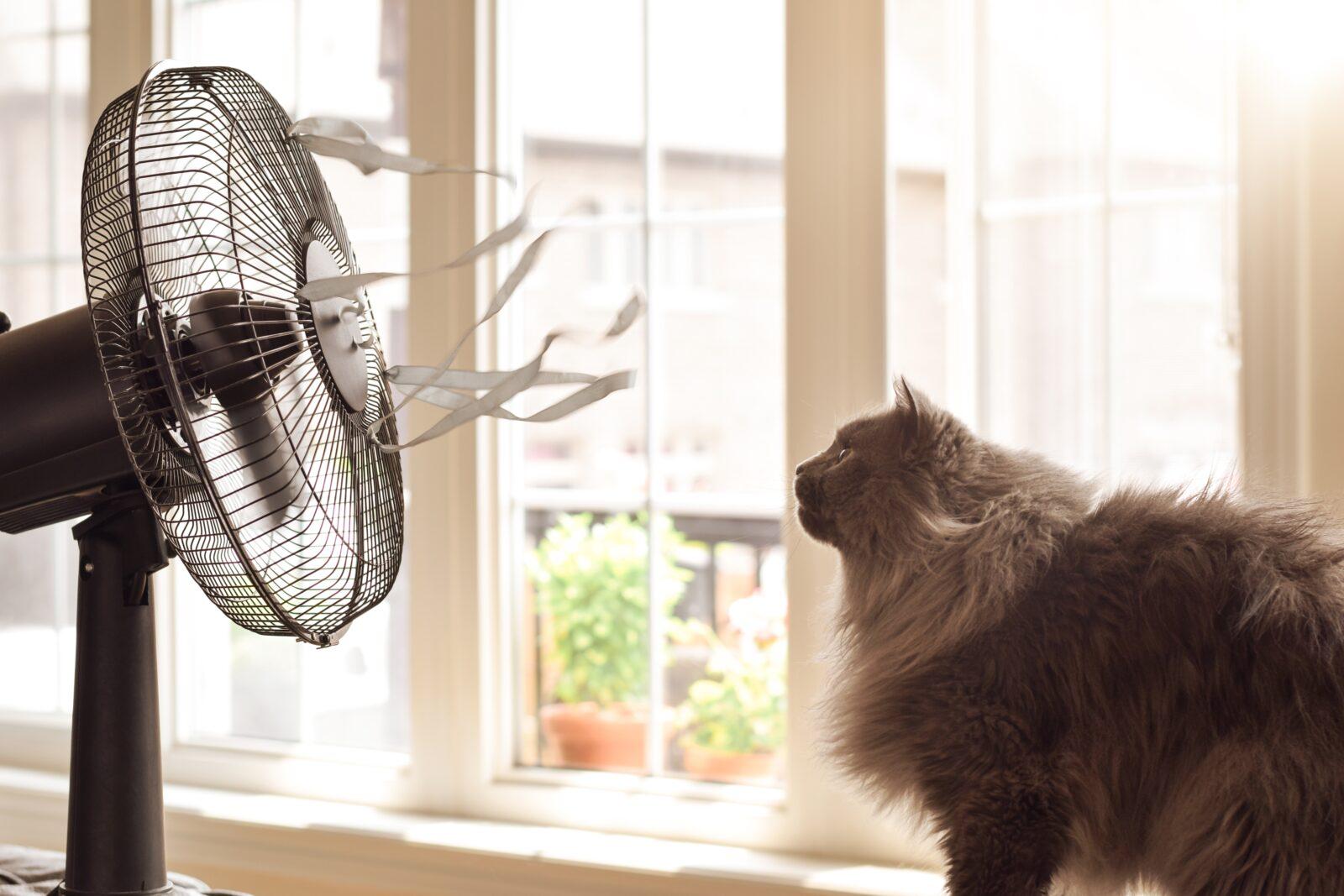
The summer of 2025 is arriving not with optimism but with apprehension. In homes across the United States, most residents are bracing for heat rather than preparing to defeat it. According to the 2025 DuraPlas Summer Cooling Survey, just 21% of homeowners feel fully prepared for the upcoming heat. That means four out of five Americans are stepping into the hottest season of the year with financial strain and emotional hesitation.
This level of uncertainty extends far beyond individual households. It also signals a broader collapse in consumer confidence that energy providers, economists, and retailers can no longer afford to ignore. When 80% of Americans face summer without cooling confidence, the ripple effects extend from household habits to utility planning.
The Evolution of Cooling Caution
This mindset shift didn’t appear overnight. The 2023 DuraPlas Summer Cooling Survey showed early signs of restraint, with homeowners indicating plans to cut back on air conditioning or lean more heavily on passive cooling strategies.By 2024, the DuraPlas Summer Cooling Survey showed that 75% of homeowners were relying on low-cost tools like fans and blackout curtains to manage the heat.
In 2025, that caution has matured into widespread doubt. Energy-saving behavior is no longer just a green preference, it has become a financial necessity. The shift from preference to survival strategy marks a critical turning point in American cooling behavior.
The Emotional Toll of Staying Cool
Cooling a home once felt routine: set the thermostat, draw the blinds, and accept a slightly higher utility bill. Today, that process is filled with difficult decisions. Households must weigh each degree of comfort against the mounting cost of basic utility use. The 2024 survey showed that most Americans no longer feel confident they can manage both.
Emotional readiness is harder to measure than physical preparation, but it’s just as critical. A family that hesitates to turn on the air conditioning isn’t just experiencing discomfort, they’re living under the daily pressure of economic vulnerability. This quiet anxiety leads to behavior that utility data may miss but that matters: waiting to cool a room, using fans in isolation, or avoiding climate control overnight.
The effects can go beyond inconvenience. Inadequate cooling during heat waves can compromise health and safety, especially for children, seniors, and those with chronic conditions. In homes where people consciously trade comfort for cost savings, well-being is quietly at risk.
What This Means for Energy Markets
Utility forecasts typically rely on temperature trends and historical consumption. But the DuraPlas data exposes a gap between expected behavior and actual consumer intent. When 79% of homeowners feel unprepared to cool their homes, models built on past norms may miss the mark.
Energy demand may fall short of projections, not due to milder weather, but because of reduced consumer confidence. That has implications for revenue models, grid load balancing, and maintenance timelines. In some regions, systems bracing for high loads may instead face unexpected drops in usage.
And the timing couldn’t be more sensitive. Summers are arriving earlier and lasting longer, while the public mindset becomes more cautious. This widening gap between rising climate pressure and declining consumer confidence is creating a fragile operational dynamic.
Consumer sentiment also affects infrastructure investment and product sales. When uncertainty rises, purchases drop. That delay slows demand for energy-efficient appliances, insulation materials, and smart systems, impacting manufacturers, retailers, and utilities alike.
Adapting Retail and Resource Messaging
Retailers and service providers must quickly realign with consumer realities. The strong preference for low-cost cooling methods, affirmed in all three DuraPlas surveys, is not a phase. It’s a market signal. Americans want cooling solutions that are immediate, affordable, and easy to use, not loaded with features or future costs.
Stores emphasizing portable fans, blackout curtains, and DIY insulation kits are more aligned with current consumer needs. Likewise, utilities offering simple usage tips, flat-rate plans, or micro-incentives for passive cooling are likely to see more traction than those promoting expensive tech upgrades.
There’s also an urgent role for public education. When only one in five people feel ready for summer heat, it suggests a lack of accessible information about staying cool affordably. Campaigns that share zero-cost tactics such as strategic fan placement, early window ventilation, and avoiding heat-producing appliances can restore a sense of control. Even small boosts in consumer confidence can drive better decisions and safer outcomes.
A Broader Signal of Economic Sensitivity
The 2025 DuraPlas Summer Cooling Survey, together with the 2024 and 2023 findings, doesn’t just indicate behavioral changes, it reveals a recalibration of mindset. Homeowners aren’t merely reducing usage. They’re preparing for hardship. Their hesitation reflects broader concerns about economic resilience, grid reliability, and the affordability of essential comforts.
This is not just a consumer story, it’s an energy market message. It tells suppliers, manufacturers, and policymakers that Americans are redefining how they live, driven not only by climate forecasts but by financial self-protection.
When four out of five households feel unprepared for summer cooling, it points to more than seasonal discomfort. It reveals a vulnerable link between confidence and consumption. Understanding and addressing this confidence gap is no longer optional. It’s essential for everyone invested in energy planning, public health, and economic stability this summer.