Grandparents Traveling With Children Need Clear Documentation
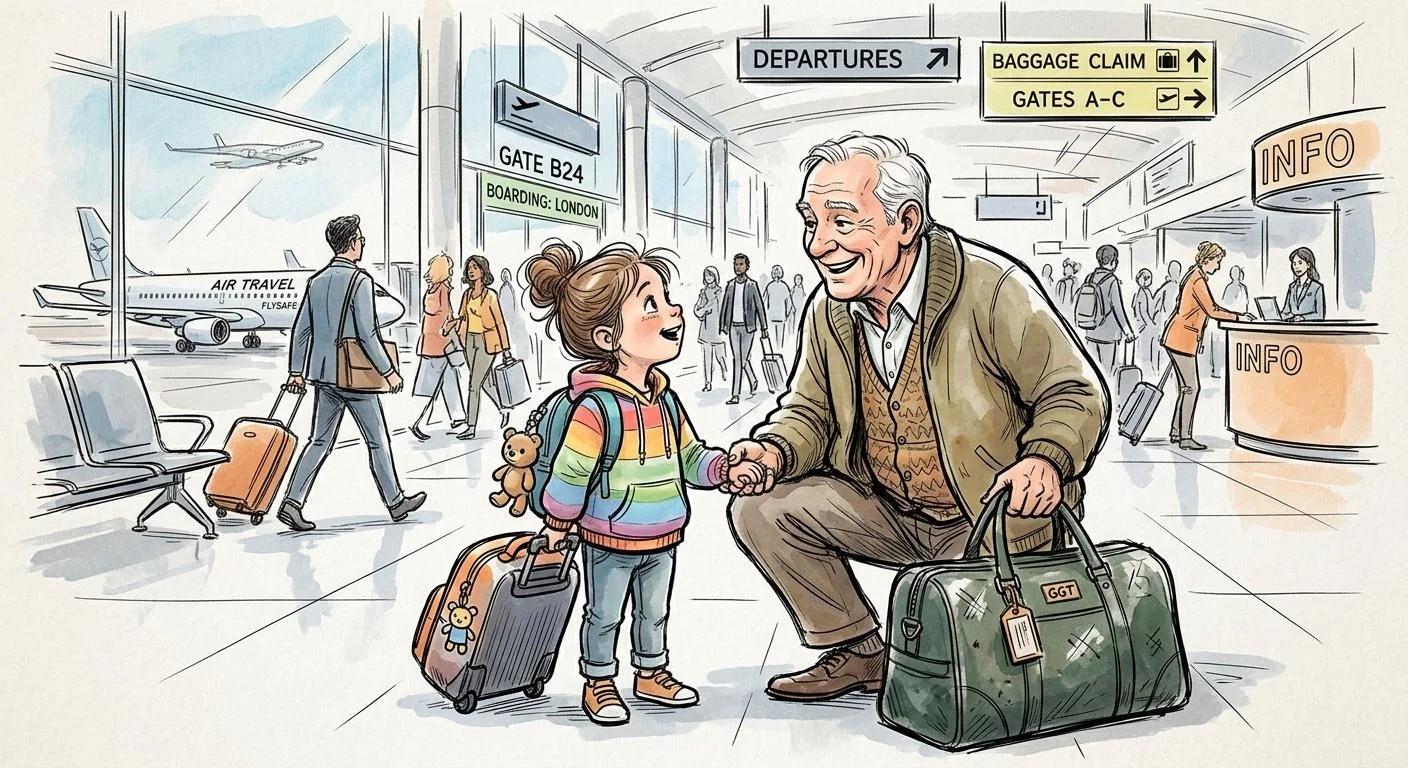
Trips involving grandparents and other relatives bring attention to consent letters, identity records and documents explaining who has authorized the journey, with families needing to check requirements for each destination, transit point and planned return.
WASHINGTON, DC, October 27, 2026: Grandparents preparing to take grandchildren abroad should review more than passports and tickets, because a family relationship does not automatically establish the authority needed to accompany a child across every international border.
The relevant paperwork depends on the child’s circumstances, the countries involved and the legal position of the accompanying adults, making early preparation important whether the journey involves a short holiday, an overseas family gathering or a longer visit.
Official guidance distinguishes children traveling with parents or legal guardians from those accompanied by other adults, highlighting why grandparents should be able to explain who approved the trip and provide the supporting records required for the particular journey.
A Family Relationship Does Not Explain Every Travel Arrangement
Grandparents may have an established caregiving role and a close relationship with the child, but officials reviewing international travel may still need documentation explaining the arrangement and the permission given by those holding relevant parental or guardianship authority.
A shared surname can help a family describe its relationship, but it should not replace required documentation, just as different surnames should prompt preparation rather than assumptions that the journey cannot proceed.
The starting question is whether the grandparent travels as a relative with permission or as a legally appointed guardian, because those circumstances can require different records and should be described accurately throughout booking and document preparation.
Families can clarify that distinction before making commitments, giving the accompanying adults a consistent explanation supported by the appropriate paperwork instead of leaving them to resolve uncertainty during an airline check or border examination.
Consent Letters Explain Who Approved the Journey
Canada’s guidance on consent letters for children traveling abroad recommends carrying written consent when a child travels with relatives without the relevant parents or guardians, and notes that the letter is not a Canadian legal requirement.
The guidance also warns that airlines or foreign authorities may request documentation and that countries have their own entry and exit requirements, so a generic letter should not be assumed to satisfy every destination automatically.
For grandparents, the practical purpose is to make the authorized arrangement understandable, allowing the document to identify the child, the accompanying adults and the journey without requiring an official to infer permission from the family relationship alone.
Parents should therefore prepare the documentation for the actual trip rather than recycling a letter from an earlier holiday, especially when destinations, dates, accompanying relatives, or the child’s legal arrangements have changed since the previous journey.
Entering Canada Provides a Concrete Example
Canadian immigration guidance states that an adult accompanying a minor who is neither their child nor their ward should have written parental or guardian permission to supervise the child, including contact details for the authorizing adults.
That example illustrates why a grandparent should accurately identify the child’s legal situation, because parental permission and evidence of an existing guardianship appointment explain different arrangements even when the accompanying adult is the same person.
A family seeking guidance should describe the child’s nationality, residence, accompanying grandparents, and intended visit, allowing the relevant authority to answer the actual question instead of relying on an incomplete description such as traveling with family.
The response should then be considered alongside the rest of the itinerary, since documentation appropriate for entering Canada does not necessarily settle departure requirements elsewhere or the conditions applying to an additional destination during the holiday.
Identify the People Who Hold Relevant Authority
Before drafting a consent letter, the family should establish who currently has authority over the child’s travel, taking into account any parenting orders, guardianship arrangements, or other legal records that affect the proposed journey.
Grandparents should avoid assuming that permission from the parent organizing the holiday resolves every issue, particularly where another parent or guardian holds relevant rights or an existing order places conditions on international travel with the child.
Equally, families should not invent a universal requirement for signatures from people with no relevant authority; instead, they should ask a qualified adviser or responsible authority how the child’s actual circumstances should be reflected in the documentation.
If the adults disagree about permission, address the issue before the grandparents depart, keeping responsibility for resolving the disagreement with the appropriate adults and professionals rather than expecting the accompanying relatives to improvise at the airport.
Describe the Complete Itinerary and Accompanying Adults
A useful preparation exercise is to record the entire journey, identifying where the child will travel, which grandparents will accompany each segment, and how the child will return or be handed back to a parent afterward.
A hypothetical trip might begin with both grandparents but end with only one accompanying the child, so the documentation should describe the actual arrangement rather than suggesting that every named adult remains present throughout the holiday.
The family should also identify overnight stopovers, cruises, and excursions across additional borders, so official inquiries and consent arrangements cover the full route instead of focusing only on the most prominent destination in the booking.
When plans remain provisional, parents can distinguish those details from confirmed arrangements and ask when they should complete the final documentation, avoiding conflicting versions that leave grandparents uncertain which records describe the approved journey.
Destination Rules Can Require More Than a General Letter
The State Department’s guidance on international travel with minors emphasizes destination-specific entry and exit rules, noting that some places restrict a minor’s departure without a legal parent or guardian or require formal parental consent.
That makes advance checking particularly important for grandparents, because a familiar consent template may not answer a requirement that specifies a particular form, procedure or category of accompanying adult for the child’s departure from that country.
Parents should contact the appropriate consular authority with the relevant facts and ask what evidence is needed, including whether the child’s nationality changes the requirements that would otherwise apply to a foreign visitor traveling with relatives.
The grandparents should also know which questions have been checked and where supporting guidance is stored, so they can distinguish a confirmed requirement from an assumption made during booking or advice received from another traveling family.
Identity Records Should Make Relationships Understandable
The document review should compare the child’s identity information with the names used in consent letters and reservations, while identifying any supporting records needed to explain parentage, guardianship or legitimate differences between the names appearing across documents.
Grandparents should not be expected to carry an indiscriminate collection of family records, so parents can ask which documents are relevant to the journey and provide a clear, organized packet that addresses those specific requirements.
If a grandparent is a legal guardian, the family should confirm which evidence of that appointment must be carried and whether the order includes travel conditions, rather than treating the grandparent’s role as the same as informal caregiving.
If a parent has died or another circumstance affects who can authorize travel, the family should seek guidance on appropriate supporting evidence, ensuring the explanation is accurate without assuming one document resolves every legal question.
Confirm Requirements for Originals, Copies and Translations
Canadian consent-letter guidance recommends carrying an original signed letter and strongly recommends having a notary witness the signature, while families should separately confirm whether their destinations impose formalities beyond these general recommendations.
Before paying for translation or certification, parents should ask the receiving authority which standards apply, identifying the document, its language, and its intended use so the answer addresses the actual paperwork rather than a general travel situation.
Grandparents should know which records must remain physically accessible and which electronic copies serve only as backups, avoiding the assumption that a photograph on a phone will always replace a required original or certified document.
Address any apparent error through the appropriate issuing or preparing authority before departure, and check revised records against the itinerary rather than correcting them informally in a way that could create uncertainty about authenticity or consent.
Travel Permission and Medical Decisions Need Separate Planning
Families should ask what arrangements are appropriate if the child needs medical attention abroad, because permission to accompany a child on holiday should not automatically be assumed to establish every form of authority a provider might request.
Parents can discuss the planned journey with relevant health professionals and insurers, identifying how existing conditions, prescriptions, and emergency care would be handled without relying on a general statement that the grandparents are in charge.
A practical information sheet can record essential contacts and relevant care instructions, while sensitive medical details should be limited to what the accompanying adults need and handled with the same care as the child’s identity records.
Grandparents should also know how to contact the parents promptly and what to do if they cannot be reached, and they should address any uncertainty about legal authorization before travel with professional advice tailored to the family’s circumstances.
Passport Technology Does Not Establish a Grandparent’s Authority
Amicus International Consulting’s guide to scanning a passport’s NFC chip and understanding the results explains distinctions between reading electronic passport information and interpreting authentication results, providing context for families who use smartphone applications during document preparation.
A successful scan does not establish that a grandparent has permission to accompany the child, because the application’s technical findings do not interpret parenting orders, identify the required signatories or authorize the itinerary described in the booking.
Families can keep passport review separate from travel authorization, checking document readiness while independently confirming the legal arrangements and supporting paperwork that explain why the accompanying adult may take the child on the proposed journey.
Before scanning or forwarding the child’s passport information, the adults should agree on whether the action is necessary and how they will protect the resulting data, avoiding extra copies that don’t resolve an outstanding preparation question.
Grandparents Should Be Ready for Ordinary Travel Questions
The accompanying adults should understand the itinerary, the child’s relationship to them and the location of supporting documents, allowing straightforward questions to be answered accurately without relying entirely on a parent who may be unavailable during the crossing.
Parents can prepare children for ordinary questions in an age-appropriate way, while avoiding scripted answers or suggestions that the child is responsible for proving permission, explaining court arrangements or resolving discrepancies between documents presented by adults.
Contact arrangements should account for time differences and travel schedules, making it easier for grandparents to reach an authorizing parent when clarification is needed rather than discovering that every available number is unattended during departure.
Allowing sufficient time for document checks can reduce pressure on both generations, particularly when grandparents are unfamiliar with the airport or need additional time to locate records, understand a request or contact someone responsible for the arrangements.
Changes and Return Arrangements Deserve Equal Attention
If travel dates, destinations, or accompanying adults change, the family should review whether the documentation and permission still cover the revised plan and obtain any necessary clarification before assuming the original arrangements extend to a different journey.
Parents and grandparents should agree on how to communicate about disruptions, including cancellations or illness, so they can address unexpected delays promptly with accurate information about the child’s location, available transport, and any relevant legal deadlines.
After the trip, the family should return or store passports and sensitive records according to their agreed arrangements, and review unnecessary working copies rather than leaving them indefinitely in shared messages, unsecured folders, or travel bags.
A grandparent’s close relationship with a child can make an overseas visit meaningful, and clear documentation supports that experience by linking the family’s agreement to the practical requirements governing departure, care during the journey, and the planned return.